Traditional outpatient care is a structured treatment option that allows individuals with substance use disorders to receive professional support without staying overnight at a facility. It is one of the most widely used levels of care in addiction treatment across the United States.
This approach works well for people with mild to moderate substance use issues, stable home environments, and strong social support. Understanding how it works helps individuals and families choose the right level of care for lasting recovery.
Key Takeaways
- Traditional outpatient care typically involves 1 to 9 hours of treatment per week, making it the least intensive structured option available.
- According to SAMHSA, over 90% of substance use treatment facilities in the U.S. offer some form of outpatient services.
- It is best suited for individuals with low-to-moderate addiction severity and a supportive living situation.
- Outpatient care often includes individual counseling, group therapy, and psychoeducation sessions.
- It can be used as a standalone treatment or as a step-down from more intensive programs like residential or intensive outpatient care.
What Is Traditional Outpatient Care?
Traditional outpatient care refers to scheduled treatment sessions that a person attends while continuing to live at home. Sessions are typically held a few times per week and focus on behavioral therapy, relapse prevention, and skill building.
Unlike residential programs, outpatient care does not remove a person from their daily environment. This allows individuals to maintain work, school, and family responsibilities while receiving professional support.
Core Components of Outpatient Treatment
Most traditional outpatient programs include individual therapy, group counseling, and educational sessions about addiction and recovery. Some programs also offer family therapy and case management services.
Treatment is typically guided by a licensed counselor or therapist. Sessions focus on identifying triggers, developing coping strategies, and building a strong foundation for long-term sobriety.
Who Benefits Most From Outpatient Care?
Traditional outpatient care is most effective for individuals who have a stable, substance-free home environment. It works best when a person has reliable transportation, social support, and a genuine commitment to recovery.
It is commonly recommended for those completing a higher level of care, such as detox or residential treatment. It serves as an important continuation of support during the transition back to daily life.
When Outpatient Care May Not Be Enough
For individuals with severe addiction, co-occurring mental health disorders, or unstable living conditions, traditional outpatient care may not provide enough structure. More intensive options like intensive outpatient programs or residential treatment may be more appropriate.
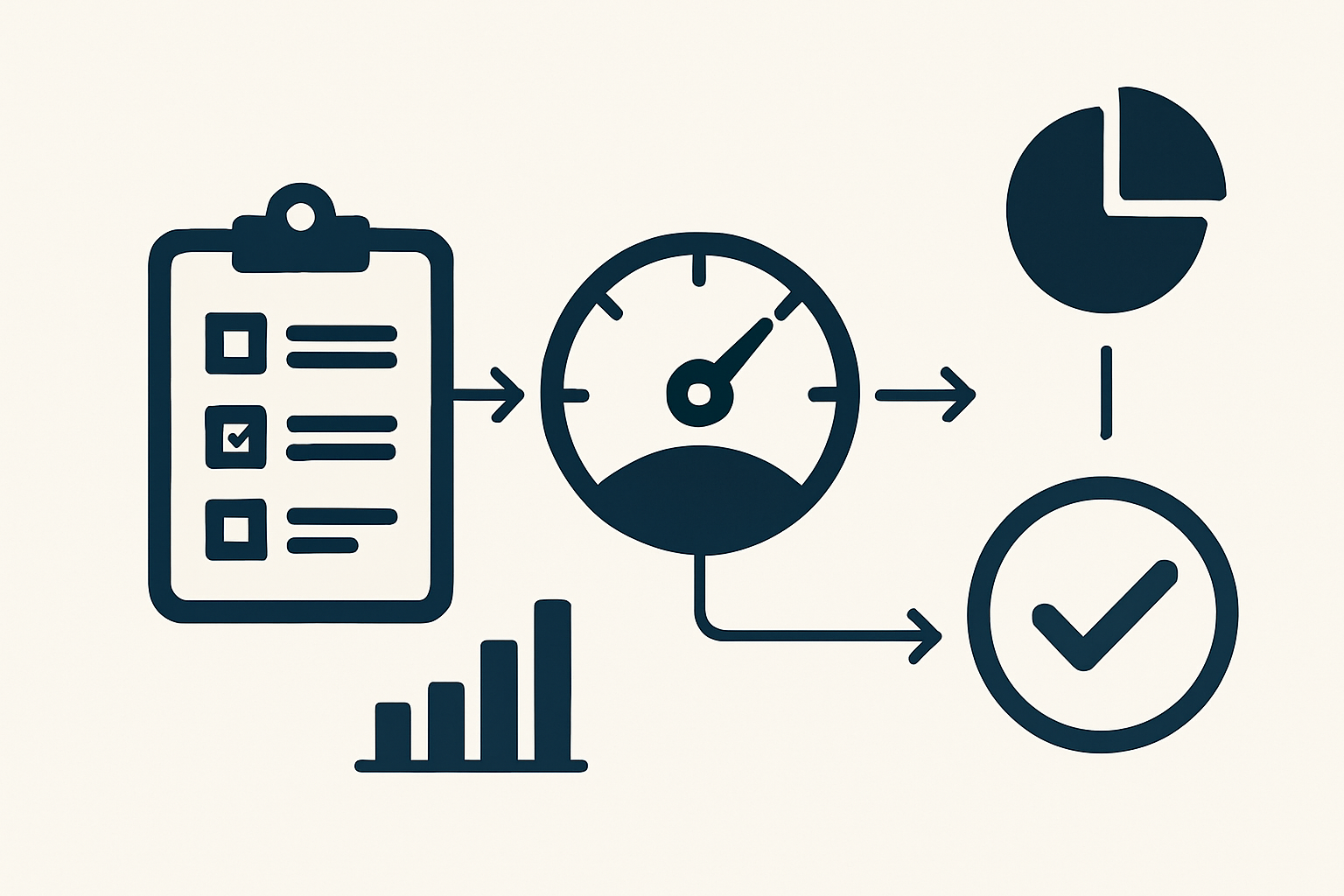
A qualified addiction specialist can assess the right level of care. Placement decisions are typically guided by tools like the ASAM criteria, which evaluate medical, psychological, and social factors.
Traditional Outpatient Care vs. Other Treatment Levels
The continuum of addiction care ranges from medical detox at the highest intensity to aftercare support at the lowest. Traditional outpatient sits near the lower end of this spectrum, offering flexibility with less clinical oversight.
Intensive outpatient programs, often called IOP, require 9 or more hours of treatment per week. Partial hospitalization programs provide daily structured care without overnight stays. Traditional outpatient care offers less time commitment but fewer clinical touchpoints.
How Outpatient Care Fits With Medication-Assisted Treatment
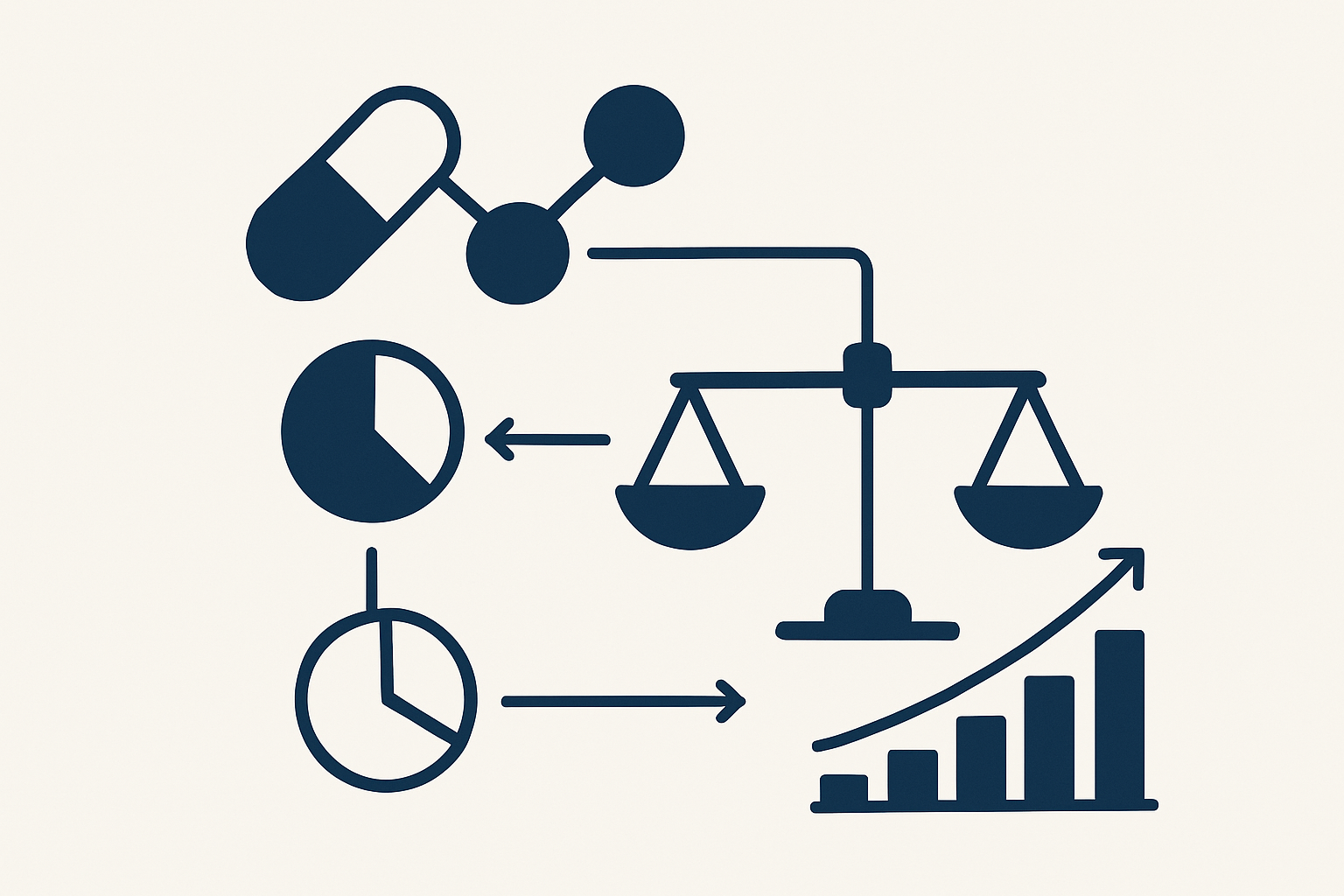
Many individuals in traditional outpatient care also receive medication-assisted treatment, or MAT. Medications like buprenorphine, methadone, and naltrexone are often prescribed alongside outpatient counseling to reduce cravings and prevent relapse.
Combining MAT with behavioral therapy is considered the gold standard for treating opioid use disorder. Outpatient programs that integrate both approaches produce significantly better outcomes than either method alone.
What to Expect During Outpatient Treatment
A typical outpatient program begins with a clinical assessment to determine the right treatment plan. From there, the individual attends scheduled sessions based on their specific needs and goals.
Progress is monitored regularly, and treatment plans are adjusted as needed. Most programs also involve drug testing, goal-setting exercises, and relapse prevention planning throughout the course of care.
Duration of Traditional Outpatient Programs
The length of traditional outpatient treatment varies by individual. Many programs last 3 to 6 months, though some individuals continue care for a year or longer depending on their progress and needs.
Recovery is not a fixed timeline. Ongoing participation in outpatient care, combined with peer support groups and MAT when appropriate, significantly improves the chances of sustained sobriety.
Frequently Asked Questions
Is traditional outpatient care covered by insurance?
Most health insurance plans, including Medicaid and Medicare, are required to cover substance use disorder treatment under the Mental Health Parity and Addiction Equity Act. Coverage for outpatient care varies by plan, so contacting your insurer directly is the best first step. Many community-based programs also offer sliding-scale fees for those without coverage.
Can someone work or go to school while in outpatient treatment?
Yes. Traditional outpatient care is specifically designed to allow individuals to maintain daily responsibilities. Sessions are often scheduled in the morning, evening, or on weekends to accommodate work or school schedules. This flexibility is one of the main advantages of outpatient treatment compared to residential programs.
What is the difference between outpatient care and aftercare?
Outpatient care is an active treatment phase involving structured clinical sessions. Aftercare refers to the support services that follow the completion of a formal treatment program, such as support groups, alumni programs, or continued counseling. Both play important roles in long-term recovery, but they serve different functions in the process.
Does outpatient care work for alcohol use disorder?
Yes. Traditional outpatient care is used to treat both alcohol and drug use disorders. For individuals with alcohol use disorder, outpatient programs may incorporate behavioral therapy, motivational interviewing, and medications like naltrexone or acamprosate to reduce cravings and support abstinence.
Bottom Line
Traditional outpatient care is a flexible, evidence-based option that helps individuals manage substance use disorders while staying connected to their daily lives.
For more information on how medications like buprenorphine, methadone, and naltrexone support recovery alongside outpatient care, visit medicationassistedtreatment.net, a trusted resource for individuals, families, and professionals navigating addiction treatment options.
References
- Substance Abuse and Mental Health Services Administration. (2023). National Survey of Substance Abuse Treatment Services (N-SSATS). U.S. Department of Health and Human Services. https://www.samhsa.gov
- National Institute on Drug Abuse. (2022). Principles of drug addiction treatment: A research-based guide (3rd ed.). National Institutes of Health. https://nida.nih.gov
- American Society of Addiction Medicine. (2023). The ASAM criteria: Treatment criteria for addictive, substance-related, and co-occurring conditions. ASAM.
- McKay, J. R. (2021). Continuing care research: What we have learned and where we are going. Journal of Substance Abuse Treatment, 36(2), 131-145.